
English 
Tel:
+86-536-2096656
Email: info@kenonbio.com
Email: info@kenonbio.com
Address:
20th Floor, No. 101 Shenzhen Road, Laoshan District, Qingdao, China.
20th Floor, No. 101 Shenzhen Road, Laoshan District, Qingdao, China.


Views: 0 Author: Site Editor Publish Time: 2026-10-19 Origin: Site


Shrimp farmers and feed mills face intense pressure from rising ingredient costs globally. Expensive dietary inputs like cholesterol and fish meal constantly squeeze operational margins. Optimizing lipid digestion has never been more vital for commercial survival. You cannot afford inefficient feed utilization in modern, high-density aquaculture systems. We must look beyond traditional nutrition to solve this.
Enter bile acids. These are not miracle cures or speculative supplements. Instead, they function as highly specific biochemical tools. They excel at emulsifying complex fats and protecting the critical shrimp hepatopancreas. Validating a feed additive bile acid requires a strictly controlled feeding trial to prove its true biological value. Haphazard testing often leads to skewed data and wasted resources.
This guide outlines the exact metrics, variables, and cost analyses you need. We detail how to measure performance accurately under real-world conditions. You will learn how to design a robust trial to determine if the additive justifies a full-scale commercial rollout.
Feeding trials for bile acids must isolate lipid digestibility and hepatopancreas health as primary indicators, not just overall growth.
Evaluating partial cholesterol replacement is the most common and measurable ROI driver for adding bile acids to shrimp diets.
Choosing between powder (feed grade bile acids) and liquid (liquid bile acid) formats impacts trial application methods and pellet stability.
Controlling baseline water quality and standardizing the control diet’s lipid profile are non-negotiable for accurate evaluation.
Commercial shrimp diets rely heavily on synthetic cholesterol and marine lipids. These ingredients drive up production expenses significantly. Crustaceans possess a strict biological limitation. They cannot synthesize cholesterol de novo. They rely entirely on dietary sources for molting and cellular development. Furthermore, shrimp lack sufficient endogenous emulsifiers. This biological gap leads to poor fat utilization. Unabsorbed lipids pass through the gut. This waste forces the hepatopancreas into metabolic overdrive, causing organ stress and poor immunity. Incorporating Bile Acids for Aquaculture aims to bridge this exact biological gap.
You cannot measure improvement without a precise starting point. Before introducing any additive, document the exact nutritional profile of your control diet. Record the total lipid percentage. Note the specific dietary cholesterol inclusions. Identify the sources of your fats, whether fish oil, soybean oil, or squid liver meal. A trial loses all credibility if the baseline diet fluctuates during the testing period. Keep the control diet strictly standardized. This ensures any changes in performance link directly to the emulsifier.
Success looks different depending on your role in the production chain. A well-designed trial must cater to dual objectives.
Formulator goal: Achieve equal or superior growth metrics while actively reducing expensive cholesterol inclusions. A standard target is a 10% to 20% reduction in synthetic cholesterol. If growth remains stable, the trial is a biochemical success.
Farm manager goal: Focus strictly on performance efficiency. Managers want to see a tangible decrease in the Feed Conversion Ratio (FCR). They also require improved survival rates, especially during stressful farm events.
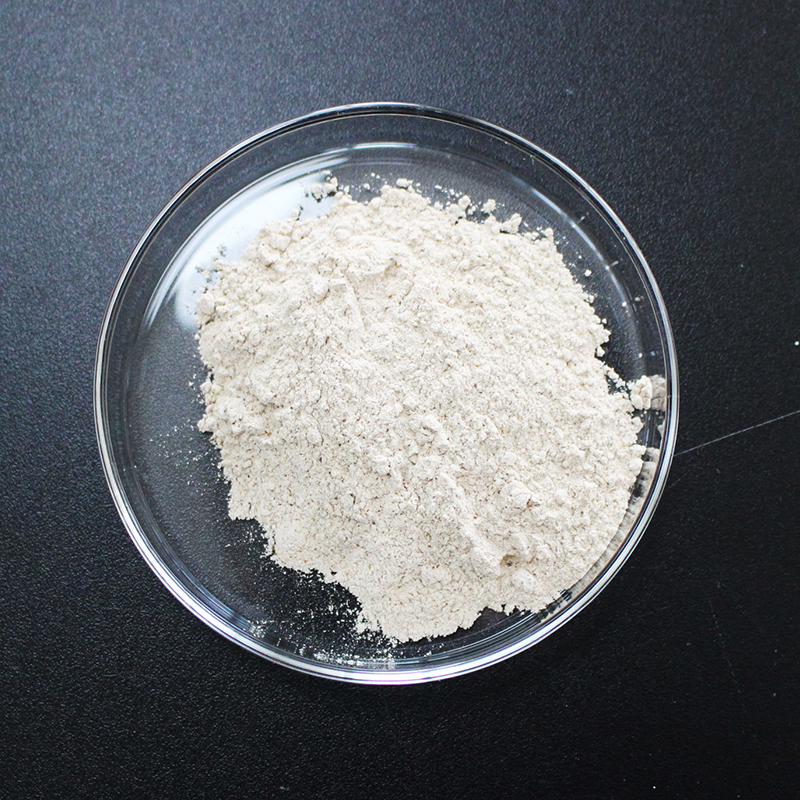
Growth is the most visible indicator of trial success, but it requires precise tracking. Do not rely solely on final harvest weights.
Track Average Daily Gain (ADG): Weigh random population samples weekly. ADG provides a real-time snapshot of how well the shrimp convert feed into muscle.
Measure Specific Growth Rate (SGR): SGR calculates the percentage increase in body weight per day. This metric helps smooth out growth spikes tied to molting cycles.
Monitor strict Feed Conversion Ratio (FCR): Track every gram of feed distributed. Compare it directly to the total biomass gained. Improvements in FCR during this trial should specifically attribute to enhanced lipid utilization, not just increased feed consumption.
The hepatopancreas acts as the liver and pancreas of the shrimp. It dictates digestion, nutrient absorption, and immune response. You must evaluate this organ rigorously.
Visual assessment: Perform weekly necropsies on a sample group. Look for plumpness. A healthy hepatopancreas fills its cavity. Look for a clear, intact membrane. The coloration should exhibit distinct white and dark brown zones. A red, shrunken, or pale organ indicates severe metabolic stress.
Histological analysis: Visual checks only go so far. Send tissue samples to a pathology lab. Request measurements of lipid droplet density. Evaluate the structural integrity of the hepatopancreatic tubules. Healthy B-cells should show distinct vacuoles, indicating strong nutrient storage.
Fast growth means nothing if the shrimp die before harvest. Establish your baseline survival rates early.
Measure survival specifically during standard farm stressors. Monitor mortality rates during major molting phases. Track survival during sudden temperature fluctuations or heavy rainfall events. Expose a small sub-sample to vibrio challenges if your facility allows it. Better fat absorption leads to stronger cell membranes. Stronger membranes yield higher stress tolerance. Documenting these survival bumps proves the additive's immune-supporting value.
Choosing feed grade bile acids usually happens at the manufacturing level. Powder formats offer distinct advantages for large-scale operations.
They mix smoothly into the dry ingredient matrix at the feed mill. Good powders withstand the aggressive heat of standard pelleting and extrusion temperatures. However, trials require specific verifications. You must measure mix uniformity. Take samples from different batches to ensure the active components distribute evenly. Verify that the biochemical structure survives the thermal processing without degrading.
Some trials prefer liquid bile acid applications. This format bypasses the feed mill entirely.
Farms use liquids for top-coating standard pellets just before feeding. This avoids high-heat degradation risks entirely. Yet, it introduces application risks. You must bind the liquid carefully. Use high-quality binders like fish oil or commercial gelatin gels. Without proper binding, the active ingredients leach rapidly into the water column. Shrimp will never ingest them.
Evaluate which format aligns best with your operational future. If you own a feed mill, testing powder makes long-term sense. If you operate an independent farm buying commercial feed, mastering liquid top-coating proves more valuable. Align your trial methods with your permanent operational capabilities.
Table: Comparison of Bile Acid Delivery Formats
Feature | Powder Format | Liquid Format |
|---|---|---|
Application Site | Feed mill formulation | Farm-level top-coating |
Heat Stability | High (resists extrusion heat) | N/A (bypasses thermal processing) |
Mixing Uniformity | Excellent (industrial mixers) | Variable (depends on farm labor) |
Leaching Risk | Low (bound inside pellet matrix) | Moderate to High (requires strong binders) |
Financial validation dictates commercial adoption. The most direct ROI comes from cholesterol reduction. Compare the baseline cost of your standard diet against the modified diet. Calculate the exact monetary savings of removing a set percentage of synthetic cholesterol. Subtract the purchase cost of the bile acid inclusion. If the net result is positive, and shrimp performance remains steady, the trial is a financial success.
Do not just look at the price per ton of feed. Evaluate the feed cost required to produce one kilogram of harvested shrimp. Track the total feed expenditure for the control group. Do the same for the treatment group. A slightly more expensive feed might yield a much lower FCR. This ultimately lowers the cost per kilogram of production. This specific metric speaks directly to farm profitability.
Direct feed savings only tell part of the story. Factor in indirect financial benefits. Improved hepatopancreas health often leads to stronger immunity. This reduces the need for expensive therapeutic medications or water treatments. Furthermore, better lipid digestion can increase the Average Daily Gain. A higher ADG shortens the overall grow-out cycle by several days. Harvesting earlier saves electricity, labor, and reduces weather-related risks. Quantify these hidden benefits in your final trial report.
In aquaculture, environmental variables easily obscure nutritional data. Ensure dissolved oxygen (DO) remains strictly identical across control and treatment ponds. Balance pH, ammonia, and nitrite levels constantly. Additives cannot out-compete toxic water environments. If your treatment pond suffers an ammonia spike, the shrimp will stop eating. This invalidates your lipid digestion data. Keep water parameters tight and uniform.
Shrimp do not swallow pellets whole. They are slow, methodical eaters. They nibble at feed on the pond bottom. This behavior exposes the pellet to water for extended periods. Detail the necessity of water stability tests before starting the trial. Place your treated pellets in moving water. Ensure the physical structure remains intact for at least one to two hours. If the pellet breaks down quickly, the emulsifier dissolves into the environment. You will measure nothing but wasted money.
Precision matters deeply in biochemistry. Avoid the temptation to overdose. Outline the standard manufacturer-recommended inclusion rates. These are usually measured strictly in grams per ton of feed. Warn your trial staff against "more is better" assumptions. Excessive emulsifiers can aggressively disrupt gut microbiomes. Overdosing may even damage intestinal cell walls. Stick rigidly to the prescribed dosage matrix.
Define what success looks like before the trial ends. Set valid triggers for commercial adoption. If trial data shows completely neutral growth but significantly lowers formulation costs, adopt it. If it shows identical feed costs but vastly improved hepatopancreas histology, adopt it. Organ health guarantees better survival during unexpected disease outbreaks. You do not always need explosive growth to justify an additive. Risk mitigation holds immense financial value.
A successful evaluation relies on precise, standardized tracking. Focus heavily on lipid utilization, internal organ health, and direct formulation cost reductions.
Never test additives in unstable environments. Poor water quality masks nutritional efficacy entirely.
We recommend initiating a small-scale, highly controlled raceway or tank trial first. Gather clear histological data before moving to full-pond validation.
Encourage your team to reach out to technical representatives. Request baseline formulation reviews to determine the exact cholesterol reduction targets suitable for your specific species.
A: A proper trial typically lasts 6 to 8 weeks. This timeframe covers multiple molting cycles. It provides enough time to accurately assess hepatopancreas development, lipid storage changes, and noticeable shifts in the Feed Conversion Ratio.
A: No. Shrimp cannot synthesize cholesterol de novo. They absolutely require dietary sources for cellular function. Bile acids simply improve the utilization of available cholesterol. This allows for a partial reduction in synthetic inclusions, but never total elimination.
A: It can, if improperly managed. Without adequate binding agents, liquids leach quickly. This potentially causes minor foaming or unwanted organic load increases in the water column. You must use reliable commercial binders like fish oil or gelatin to prevent this.
A: Always request a Certificate of Analysis (COA) from the manufacturer. This document should specify the exact concentration of active components, such as hyodeoxycholic acid or chenodeoxycholic acid. It must also confirm the absence of dangerous heavy metals.


