
English 
Tel:
+86-536-2096656
Email: info@kenonbio.com
Email: info@kenonbio.com
Address:
20th Floor, No. 101 Shenzhen Road, Laoshan District, Qingdao, China.
20th Floor, No. 101 Shenzhen Road, Laoshan District, Qingdao, China.


Views: 0 Author: Site Editor Publish Time: 2026-10-26 Origin: Site


Optimizing feed intake during high-stress periods challenges every animal nutritionist today. Weaning, diet transitions, and medicated feeds often depress appetite severely. You must find creative ways to maintain dry matter consumption while strictly managing daily formula costs.
Additive strategies have shifted significantly over the past decade. Saccharin remained the legacy standard for sensory enhancement for many years. However, high-intensity alternatives like neotame now force procurement and nutrition teams to pivot. They must continually re-evaluate their sensory additive choices. Modern livestock diets demand much more precise palatability solutions.
We built this objective, head-to-head evaluation framework to assist your formulation process. You will confidently compare neotame and saccharin. We explore their thermal stability, cost-in-use metrics, sensory profiles, and harsh manufacturing realities. This practical guide ensures you select the right tool for your specific herd challenges.
Cost-in-Use over Raw Price: Neotame’s ultra-high sweetness intensity (7,000–13,000x sucrose) often yields a lower cost-in-use compared to saccharin, despite a higher price per kilogram.
Sensory Profiles Differ: Saccharin provides rapid upfront sweetness but carries a distinct metallic aftertaste at high doses; neotame offers a delayed but longer-lasting, clean sweetness ideal for masking bitter medications.
Manufacturing Realities: A pure neotame application requires high-precision mixing equipment to ensure uniformity; therefore, most commercial applications utilize a formulated feed grade sweetener that blends neotame with carriers or other sweeteners.
The Hybrid Approach: The most effective palatability strategy often involves blending saccharin and neotame to achieve a full, sucrose-like sweetness curve.
Formulators face intense pressure to maximize dry matter intake (DMI) consistently. Young animals undergo immense biological stress during early weaning phases. Diet transitions also introduce abrupt sensory changes. Animals frequently reject these newly introduced diets initially. This swift rejection creates severe DMI drops. A high-performance Feed Sweetener is definitely not a luxury here. It acts as a mandatory tool to maintain steady growth rates.
We rely heavily on these sensory additives for several primary applications. Consider the following crucial tasks they perform daily:
Masking unpalatable proteins: Certain plant-based protein sources bring inherent, sharp bitterness.
Hiding harsh medications: Antibiotics and zinc oxide taste intensely unpleasant to young livestock.
Neutralizing organic acids: Acidifiers support gut health but create a highly astringent flavor profile.
Encouraging early consumption: Neonates need strong sensory cues to start eating solid food quickly.
Evaluating a reliable Feed palatability sweetener requires looking far beyond basic sucrose equivalents. You must actively examine molecular stability under heat. You must also understand taste receptor affinity in your target species. Pigs possess significantly more taste buds than human beings. They detect bitter chemical notes much faster. Therefore, your sensory additive strategy must be scientifically sound.
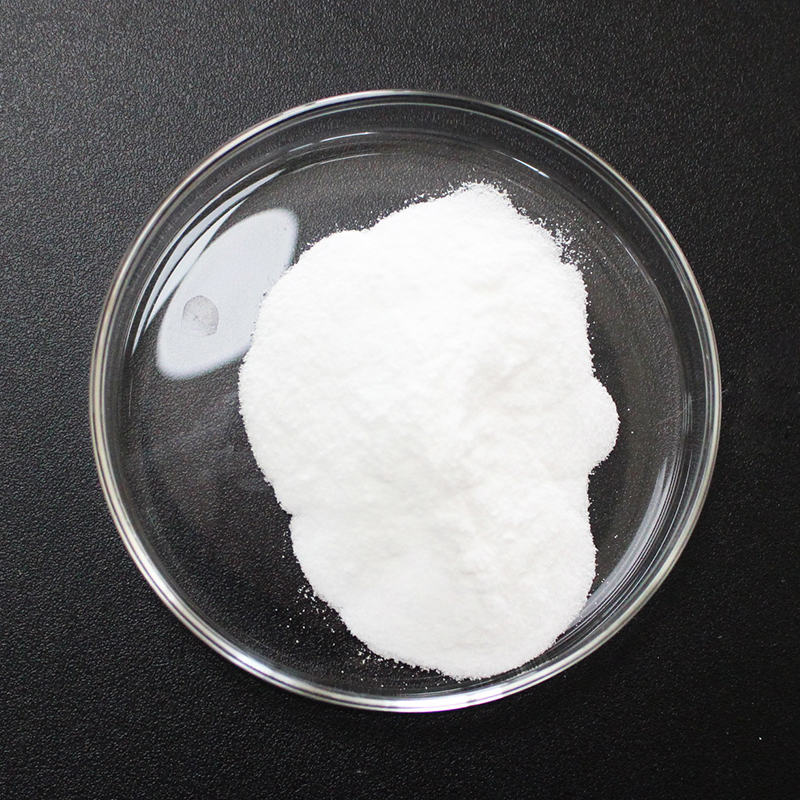
Sodium saccharin remains a legendary additive in modern animal nutrition. Formulators have trusted this specific molecule for decades. It provides a massive sweetness multiplier for bulk feeds. It hits roughly 300 to 500 times the sweetness of standard sucrose. It also delivers a exceptionally fast onset of sweetness. The animal tastes it immediately upon first feed consumption.
Why does it stay so popular in feed mills? First, it boasts incredible thermal stability. It easily withstands highly aggressive conditioning processes. It survives high-temperature pelleting and rigorous extrusion parameters. Second, the global market knows it extremely well. Procurement teams deeply understand its global pricing dynamics. It holds widespread regulatory approval across most continents. Finally, it requires noticeably higher inclusion rates than newer molecules. This physical reality makes it incredibly easy to handle. Mill operators can mix it uniformly without highly specialized equipment. You can confidently consider it a reliable Feed grade sweetener for standard, uncomplicated diets.
However, you must acknowledge the significant catch. Saccharin carries a well-documented bitter and metallic aftertaste. This becomes highly problematic when you dose it aggressively. Formulators often increase saccharin to mask strong off-notes in medications. Unfortunately, this higher dose actively amplifies the metallic finish. Sensitive species like young piglets notice this synthetic flavor quickly. Improper formulation triggers severe feed aversion. They will simply stop eating the ration.
Neotame represents the next major generation of sensory additives. It operates as a complex derivative of aspartame. This unique molecule offers an exponential sweetness intensity. It can easily reach up to 13,000 times the sweetness of sucrose. This sheer sensory power completely changes your formulation math. It fundamentally alters how we design palatable diets.
The upgrade is truly substantial. Neotame boasts an exceedingly clean overall taste profile. It produces zero metallic aftertaste, even at higher sensory thresholds. It also features a unique lingering sweetness effect. This makes it vastly superior for masking bitter active pharmaceutical ingredients (APIs). Complex APIs often leave a delayed, lingering bitterness in the mouth. Neotame's delayed sweetness profile perfectly counteracts this specific issue. Furthermore, it offers exceptional cost-in-use efficiency. You achieve profound sweetness intensity at microscopic inclusion rates.
But there is a manufacturing catch here as well. Neotame demonstrates a notably delayed sweetness onset. The animal does not taste it the exact second they take a bite. More importantly, you face severe manufacturing realities on the production floor. Pure neotame requires extreme micro-gram inclusion rates. Standard mill mixers struggle significantly to distribute these micro-doses evenly. Achieving perfect homogenous distribution is highly challenging. You absolutely need a specialized carrier structure to mix it properly.
You might easily fall into the common trap of comparing simple price-per-kilo. Do not make this costly mistake. Pure neotame carries a much higher unit price than standard saccharin. However, formulators must actively calculate the cost to replace a standard unit of sucrose equivalent. You have to measure the actual working efficiency.
Neotame generally wins on sheer economic efficiency. It takes drastically less physical product to achieve the same sweetness baseline. This lower inclusion rate sharply reduces transport costs and storage volumes. Provided your mill mixing capabilities are sufficient, the operational savings become quite clear.
Comparative Cost-in-Use Dynamics for Sweetener Molecules
Molecule Type | Sweetness Intensity (vs Sucrose) | Relative Unit Price | Estimated Cost-in-Use Efficiency |
|---|---|---|---|
Sodium Saccharin | 300x - 500x | Low | Moderate |
Pure Neotame | 7,000x - 13,000x | High | High (Highly Efficient) |
Synergistic Blend | Optimized Curve | Moderate | Maximum Value |
Feed manufacturing creates violent, harsh physical conditions. You must accurately compare degradation rates across different production phases. Conditioning, pelleting, and extrusion introduce intense heat, moisture, and extreme pressure. Molecules break down if not properly protected.
Both sensory molecules perform generally well under standard milling conditions. Saccharin acts virtually indestructible in most commercial feed mills. Pure neotame is also highly robust against standard heat. However, it specifically requires strict quality assurance protocols. You must ensure its carrier matrix protects the molecule fully. It demands a strong physical barrier during severe extrusion shear forces.
Expert formulators rarely use pure neotame in absolute isolation. A single-molecule approach often leaves noticeable gaps in the animal's sensory experience. We strongly recommend deploying a carefully balanced hybrid strategy. A highly engineered Sweetener containing neotame is almost always formulated alongside saccharin.
This molecular synergy is incredibly powerful. Saccharin provides the rapid upfront sweetness peak. It immediately engages the animal's initial taste receptors upon consumption. Neotame then smoothly fills out the middle and lingering sensory profile. It beautifully covers the delayed bitterness of harsh medications. Most importantly, neotame actively masks the metallic finish of the saccharin itself. Together, they create a full, fully rounded flavor curve. They perfectly mimic the exact taste profile of real sugar.
You must address the operational reality of commercial micro-dosing. If neotame is not dispersed perfectly evenly, you create serious problems. Feed intake will become highly erratic across the entire herd. Some pigs will eat voraciously, while others refuse the feed entirely. The coefficient of variation in your mixer must remain exceptionally low. This demands rigorous equipment calibration.
Carrier selection requires deep technical evaluation. Different carriers directly impact the flowability of the final product. Silica, maltodextrin, and calcium carbonate all behave differently. They change the caking resistance of the sweetener inside the bulk premix. A poor carrier causes the sweetener to clump in humid environments. We advise testing carrier physics under your specific local climate conditions.
Finally, never ignore critical regulatory and compliance audits. Regional feed additive regulations shift frequently. You must routinely verify the latest rules from the FDA or EFSA. They strictly govern maximum allowable inclusion rates for these molecules. Both neotame and saccharin have distinct legal limits for specific animal life stages. Staying compliant ensures your product avoids sudden costly recalls.
Neither sensory molecule serves as a universally "better" option. Your optimal choice depends entirely on the specific unpalatable ingredients being masked. You must also evaluate the absolute sophistication of your feed mill’s mixing equipment. Your target cost-in-use will dictate the final strategic direction you take.
We advise procurement and formulation teams to take immediate practical steps. Request sample blends from reputable suppliers today. Thoroughly review carrier flowability data sheets before making decisions. Run pilot sensory and preference trials, particularly two-bowl tests, with live animals. You should always observe actual intake data before committing to a large bulk contract.
A: Yes, technically you can use it as a complete replacement. However, we rarely recommend this approach. Commercial blends are vastly preferred. Blending both molecules provides a much more complete, natural taste profile. It also creates a significantly easier product for feed mills to mix evenly into bulk rations.
A: Absolutely. It features a remarkably high melting point. It maintains excellent molecular stability under standard feed manufacturing parameters. As long as it utilizes a high-quality protective carrier matrix, it easily survives high heat, intense moisture, and severe mechanical shear forces.
A: Neotame performs vastly superior bitter masking. It features a unique, lingering temporal profile. Its sweetness actively outlasts the harsh, delayed bitter notes of specific trace minerals and active medications. Saccharin fades too quickly and often introduces its own metallic aftertaste at higher inclusion levels.


